
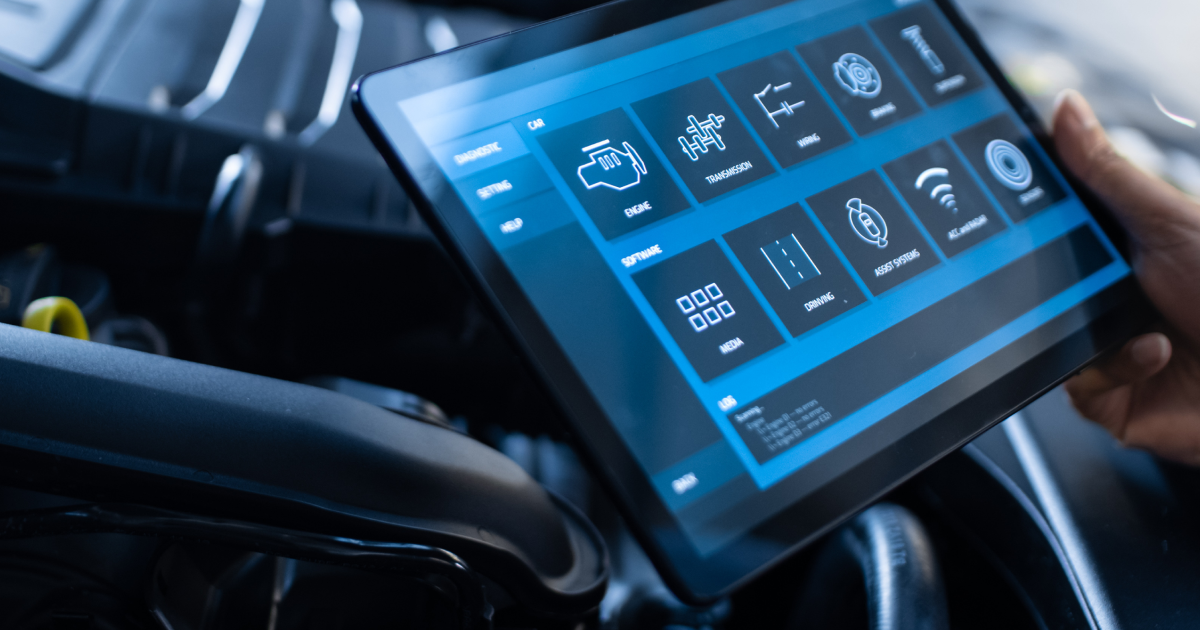
When Your Car Just Doesn’t Feel Right
At Auto-Tec, drivability diagnostics focus on identifying issues that affect how your vehicle accelerates, idles, responds, and performs under real driving conditions. These concerns aren’t always tied to a single warning light, which makes proper testing essential.
If your vehicle hesitates, stalls, surges, or feels inconsistent, diagnostics help uncover what’s happening beneath the surface.
What Drivability Issues Can Look Like
Drivability problems can vary widely depending on vehicle design and operating conditions.
Common concerns include:
- Hesitation during acceleration
- Rough or unstable idle
- Stalling at stops or while driving
- Poor throttle response
- Surging or inconsistent power
These symptoms often require deeper evaluation beyond basic code reading.
Why Accurate Diagnostics Matter
Modern vehicles rely on complex engine management systems. A drivability issue may involve sensors, fuel delivery, ignition components, air intake, or electronic controls working together.
Proper diagnostics help:
- Identify root causes, not just symptoms
- Avoid unnecessary part replacement
- Clarify repair priority and urgency
- Restore consistent performance
Accurate testing saves time and reduces guesswork.
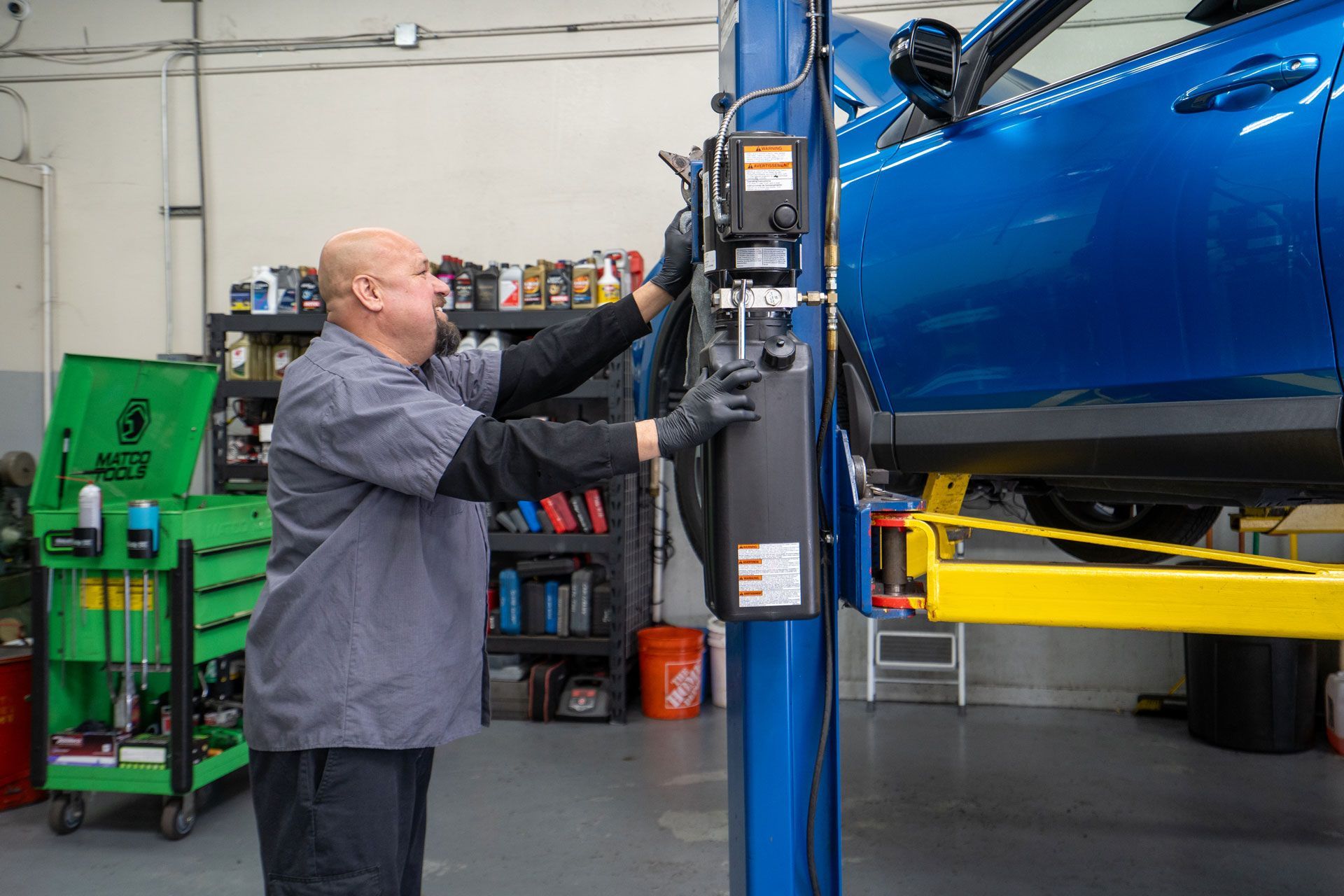
Advanced Diagnostic Capabilities
Many drivability concerns require access to live data, system testing, and vehicle-specific information. Advanced scan tools and diagnostic procedures help evaluate how systems perform under real conditions.
Our diagnostic process supports:
- Analysis of engine and fuel system data
- Evaluation of sensor inputs and outputs
- Review of system behavior during operation
Findings are explained clearly so you understand what’s happening and why.
What to Expect During Drivability Diagnostics
Drivability diagnostics typically include:
- Detailed symptom review
- Diagnostic scanning and data analysis
- System testing based on findings
- Clear explanation of results and options
If repairs are recommended, you’ll receive an estimate before any work begins.
Frequently Asked Questions
1. What does drivability mean?
Drivability refers to how smoothly and consistently a vehicle accelerates, idles, and responds while driving.
2. Can drivability issues occur without warning lights?
Yes. Many performance issues don’t immediately trigger dashboard warnings.
3. Are drivability issues always engine-related?
Not always. Fuel, ignition, air intake, or electronic systems can be involved.
4. Can drivability diagnostics prevent breakdowns?
Yes. Early identification helps address issues before they worsen.
5. How long do drivability diagnostics take?
Timing depends on symptoms and system complexity.
6. Will diagnostics identify intermittent problems?
Diagnostics can help capture patterns that cause intermittent concerns.
7. Do newer vehicles require advanced diagnostics
Yes. Modern systems rely heavily on electronic controls and data analysis.
8. Will I receive an estimate before repairs?
Yes. All recommendations are explained and approved beforehand.
9. Can poor drivability affect fuel efficiency?
Yes. Performance issues often reduce efficiency.
10. Should I ignore minor drivability changes?
No. Early evaluation helps prevent more serious problems.
Restore Smooth, Predictable Performance
If your vehicle isn’t driving the way it should, contact Auto-Tec to schedule drivability diagnostics in Campbell. Clear testing and honest explanations help restore confidence behind the wheel.